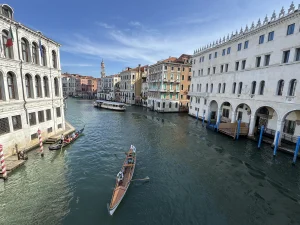
All harbour. If Venice has for millennia looked outward, Palermo has definitely a more introspective attitude. Palermo has always felt like the centre of the world, or at least of what was once the known world: the Mediterranean.
“I am here,” Palermo seemed to say, “sooner or later you will pass by me. You will stop. And I will make you mine.” After all, “all harbour” is precisely the translation of the name the Greeks first, and the Arabs later, used for it. And with this arrogant and inexorable Circe-like attitude, Zyz (from the Phoenician “flower”), later Panormus, then Balarm, and finally Palermo, has passed through great splendours and moments of unspeakable decay.
A city crossed by history
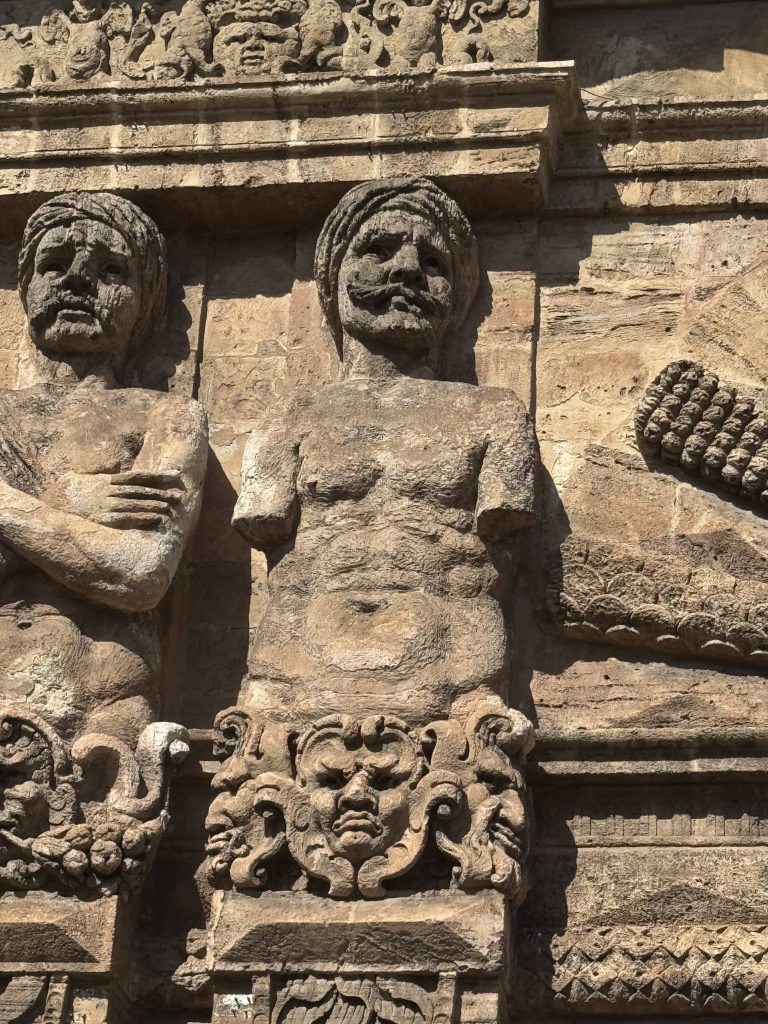
Since its foundation, Palermo has been crossed and inhabited by much of the Mediterranean’s peoples (and beyond): Phoenicians, Punics, Romans, Vandals, Byzantines, Arabs, Normans, Swabians, Angevins, Aragonese/Spaniards, and Bourbons, concluding with the Expedition of the Thousand that marked the unification of Italy.
It is no coincidence that the city still carries the jewels and scars left by all its loves and all its pains.
Splendour and neglect
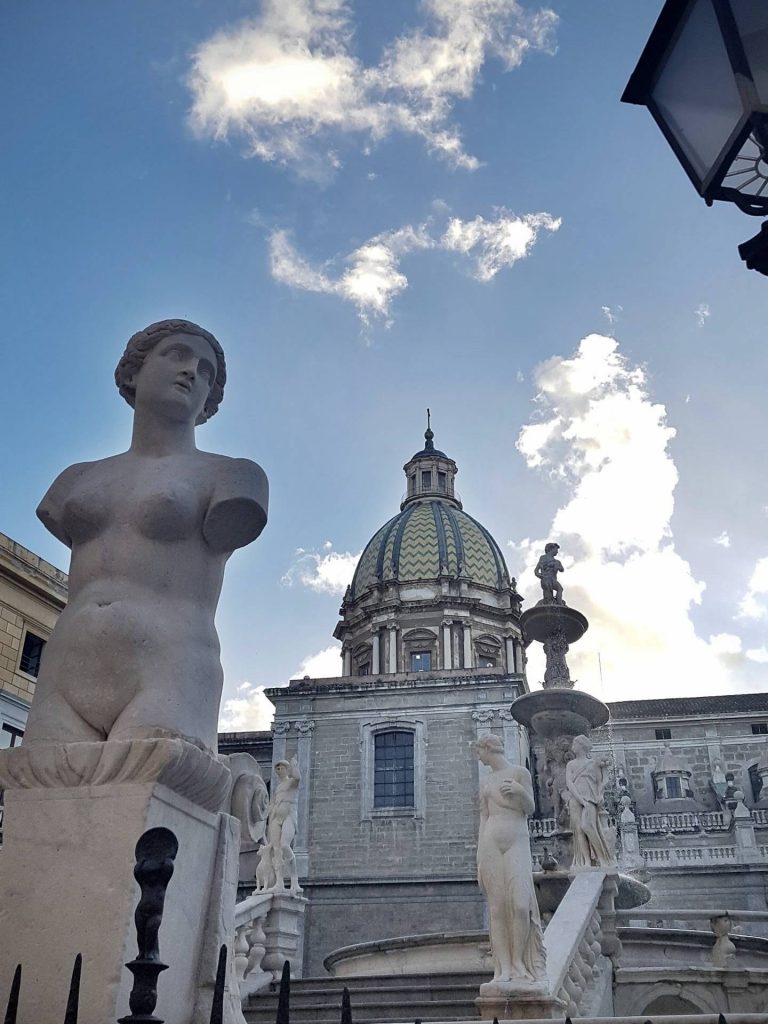
From the incredibleArab–Norman itinerary, through its Baroque churches, to the profound neglect of its magnificent eighteenth-century palaces—weakened by the Allied bombings of 1943 and sometimes left to decay by impoverished or uninterested heirs and a local administration too often culpably absent or even openly corrupted—Palermo reveals its contradictions.
For those arriving by the port, urban speculation—perhaps the mafia’s fiercest and most long-term damaging child—is the most visible wound. Thousands of cubic metres of reinforced concrete, buildings more brutal than brutalist from the 1970s and 80s onwards, have shaped the face of the city’s newer districts.
Palermo has even survived to the movie industry, which has almost always portrayed it through lenses of crime, or grotesque caricature, rarely making the effort to explore in depth a city dense with stories for those willing to listen.
Awakening and Slumber
Amid attempts to crush it and more or less ephemeral renaissances, Palermo has made its way through the centuries, alternating sudden awakenings with long slumbers.
Both an old imperial capital and a colony of many rulers, Palermo still boasts today an impressive aesthetic and ethnocultural variety. Between Punic foundations and Spanish-influenced façades in its alleys wanders a humanity literally from the four corners of the world, blending here. After all, in this city, whether by love, war, or fate, sooner or later people end up in bed together.
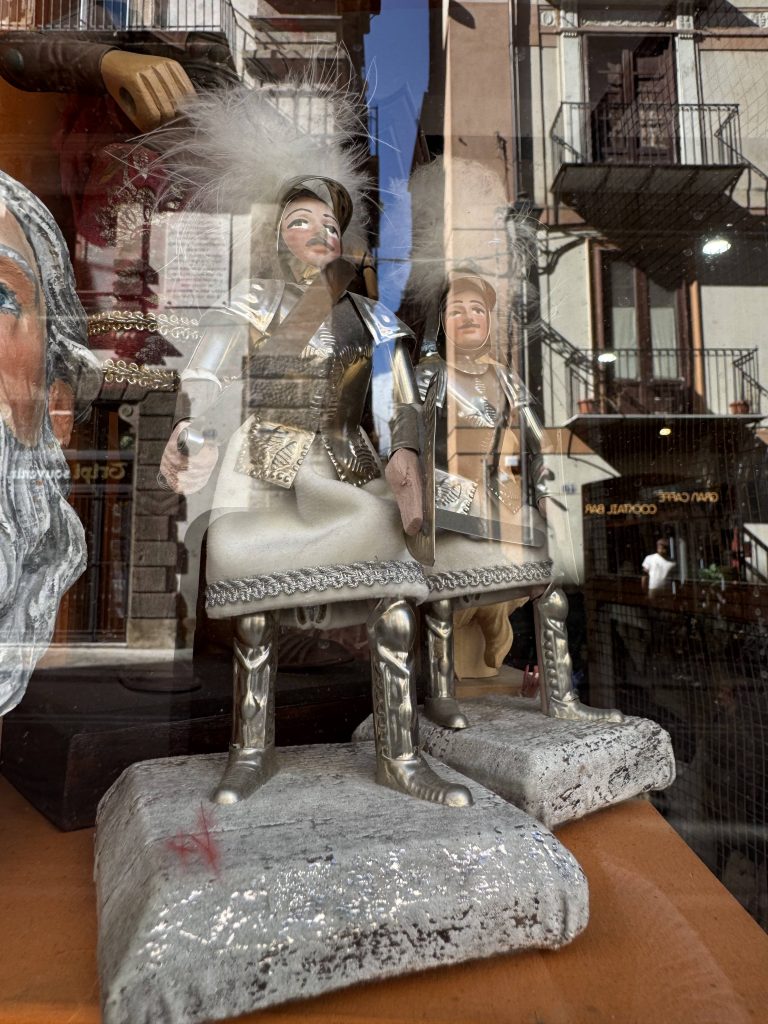
What do you think those “Moorish heads”—always one male and one female—peeking from souvenir shops mean?
How do you think the dishes tourists pursue through the alleys in a pantagruelian gastronomic treasure hunt were born?
What would caponata be without the American aubergine brought by the Spaniards and the sweet-and-sour tradition introduced by the Arabs? Without tomato sauces from the Spanish-American world, without French-origin timbales, without the deeply Mediterranean use of fresh cheeses and wild herbs?
The city, a crossroads of trade since antiquity, once again fills with the sound of a thousand languages.
Nights Reclaimed
The same small squares that in the 1980s emptied after a certain hour, crossed by wary glances, now swarm with young people spending evenings outdoors, drinking, eating, and dancing in the streets.
While the arrival of digital nomads seems to reverse a long-standing trend of youth flight—“brains” and otherwise—it is increasingly clear that a large portion of the city remains excluded. The new prosperity belongs to only a few.
Two Cities Facing Each Other
As guesthouses multiply in the historic centre, the people of the suburbs fall behind. Those without property to rent, without social capital, from areas where stigma comes first; those who do not speak foreign languages and perhaps speak broken Italian—having grown up in environments where school dropout is almost the norm—struggle to integrate into the new order.
These are the two cities that a careful observer sees confronting each other today. On one side, past and present splendours: gold-paved mosaics and Christ Pantocrators gazing from above. On the other, Palermitans left behind.
Some scrape by with an illegal drinks stall. Others, unable to channel their unease otherwise, swell the ranks of petty and organised crime.
Contradiction as Identity
Contrasts and contradictions are embedded in the city’s very DNA, where poverty and nobility have always lived side by side.
Sumptuous and sub-proletarian, Palermo displays a relationship with faith that is often naive and material, bordering on latent paganism.
The Festino
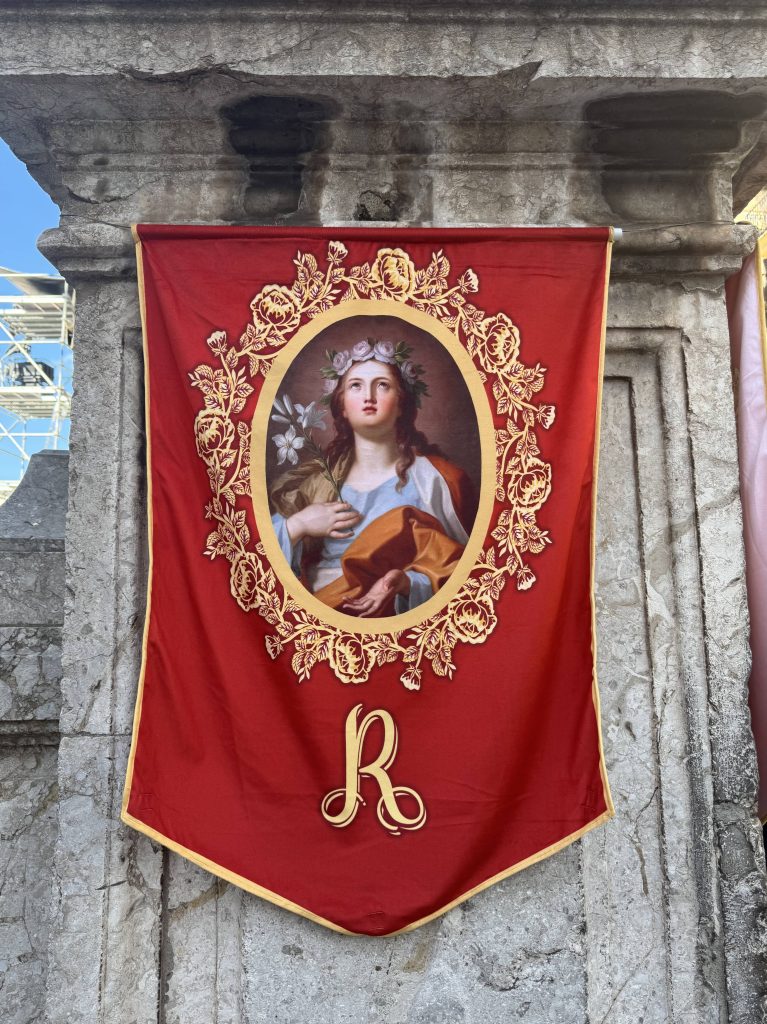
This ambiguous relationship with the supernatural finds its clearest expression in the festino. The annual celebration of the city’s patron saint, Rosalia, resembles a re-enactment of the ancient Saturnalia more than a Catholic religious festival.
Above and Below
And what of the contrast between the world above and the world below?
As hot and oppressive as the surface can be in summer, underground life is fresh and gurgling. Palermo is home not only to two subterranean rivers, but also to a network of ancient hydraulic galleries—an ingenious system for capturing and transporting water: the qanat. Developed mainly during Arab rule, they were maintained across the centuries.
Why Come Here
Yet, between one obstacle and another, you may come into contact with Palermo’s subterranean capacity for resistance, its irony, and the incredible stubbornness of those who stay to build spaces of redemption.
Perhaps for this reason alone, it is worth coming here.