Salt, Wind, and Time: A Day at the Trapani Salt Pans
There’s a surreal place on Sicily’s western coast where marble-white salt mounds reflect in endless shallow pools, flamingos stroll past windmills, and centuries of history crystallize under the sun.
They are the salt pans of Trapani. Spanning more than a thousand hectares, these briny basins have been producing this essential good since the Norman rule of Sicily (11th century AD).
Shaped by Light and Labour
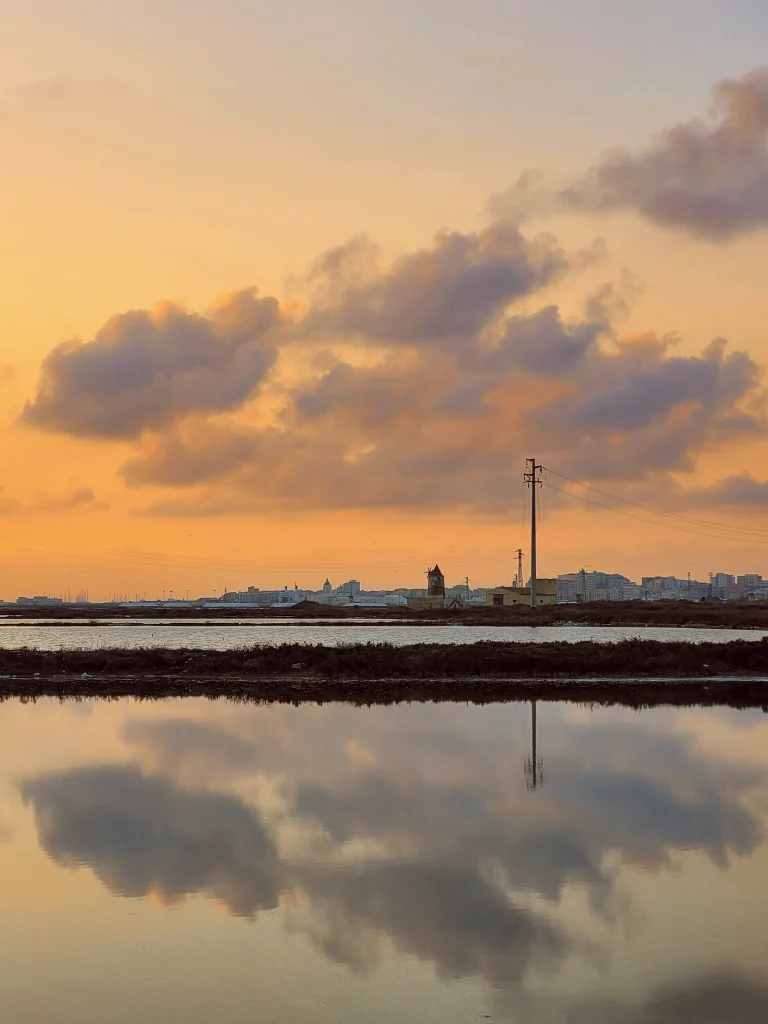
Today, this extraordinary landscape, beloved by local photographers especially at sunset, is protected as the Riserva Naturale Orientata Saline di Trapani e Paceco.
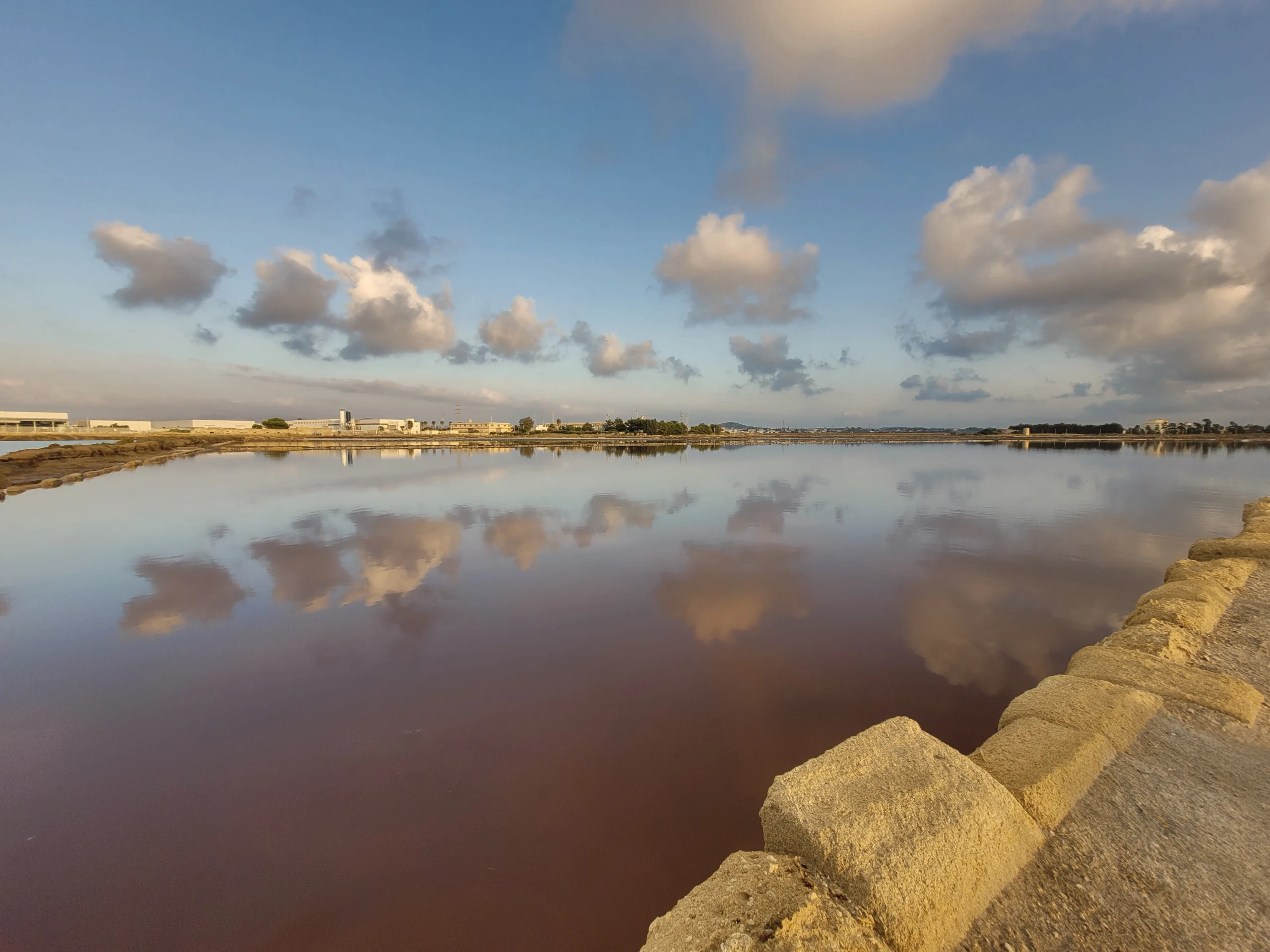
Unlike modern industrial saltworks, production here still follows the slow rhythm of sun, sea breeze, and patient hands. From spring through late summer, seawater is channeled through a system of evaporation ponds. As it gradually dries, crystals begin to form and are collected manually, just as they have been for generations.
The result is sale marino artigianale: mineral-rich, slightly moist, and appreciated by chefs for its clean, delicate flavour.
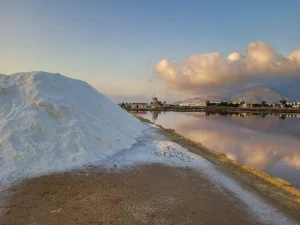
Wandering among salt pyramids and restored windmills, visitors find themselves immersed in a watercolor world, silver light, pink skies, and a sense of suspended time.
Windmills, SALT and Wildlife
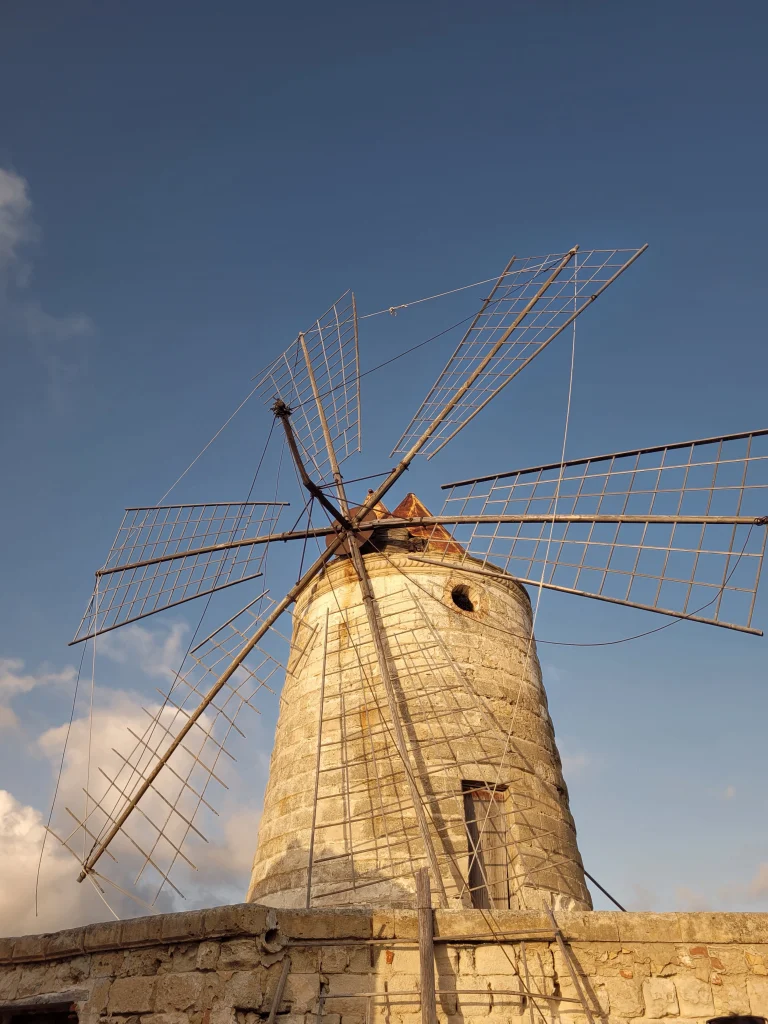
The historic windmills once pumped water between basins and ground salt. Today, some have been lovingly restored and repurposed into guesthouses and trattorias.
The area is also a haven for birdwatchers. Migratory birds, especially aquatic species, frequent the salt pans throughout the year. Spotting flamingos, grey herons, or kingfishers isn’t unusual, especially during migration seasons.
How to Visit
Gone are the days when, under Spanish rule, Trapani was the most important salt-trading port in the Mediterranean. But the legacy lives on.
Start your visit at the fascinating Museo del Sale, located in Paceco. Housed in a historic windmill, the museum tells the story of salt production in the region through displays of traditional tools and techniques.
From there, wander through the reserve’s peaceful paths. Stay until late afternoon, when the sun bathes the landscape in golden and rose tones.
Guided tours are available in the warmer months via the WWF .
Sea Salt: the Best Souvenir
Many of the salt pans are still operated by local families and cooperatives, who sell their products directly to visitors. You’ll find pure Trapani sea salt, as well as aromatic blends flavored with herbs, citrus, or spices. A real gem for that special recipe you have in mind.
Trapani’s sea salt holds IGP (Protected Geographical Indication) status and is listed among the Presìdi Slow Food—a true emblem of the region’s identity.